
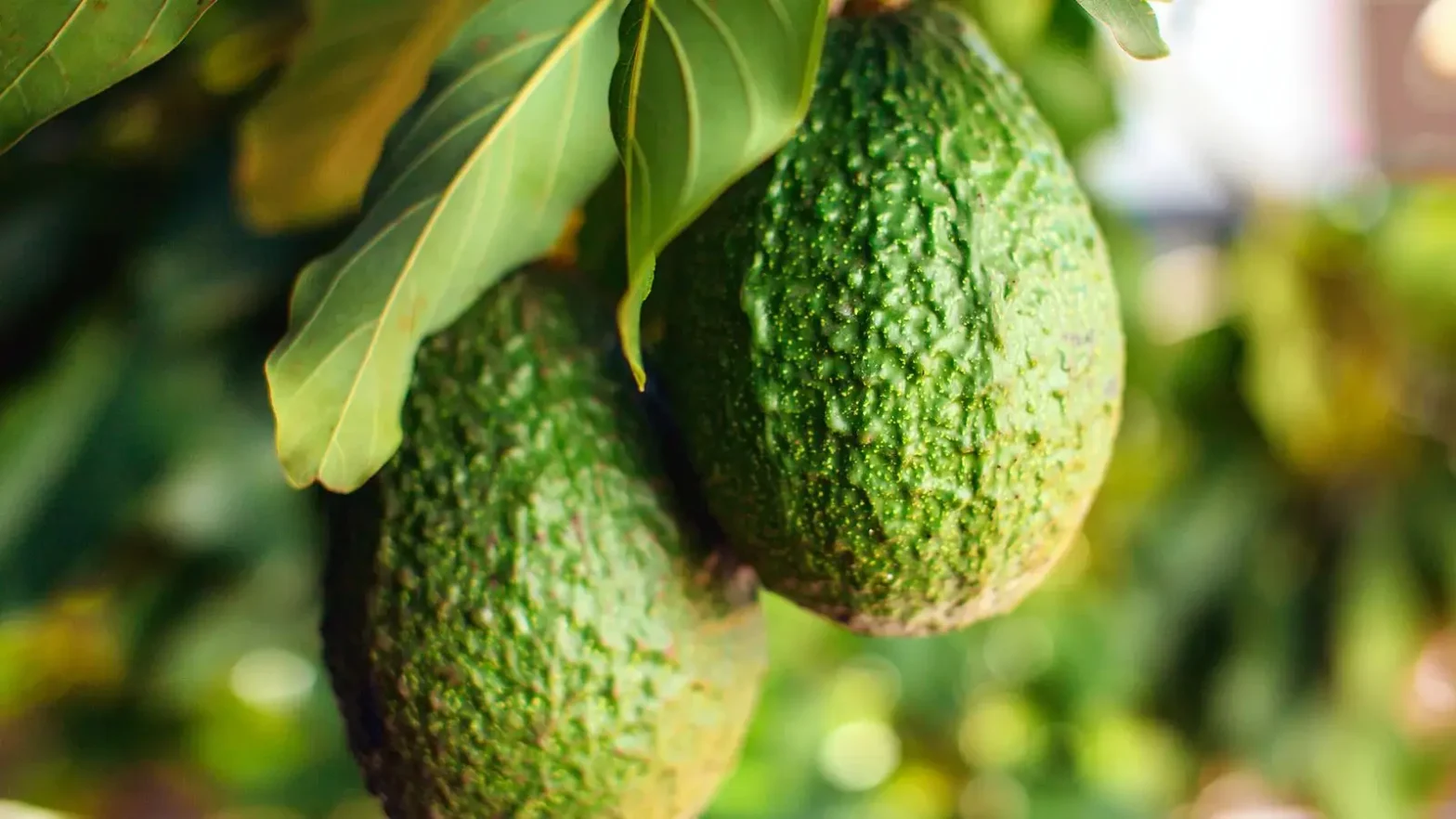
Are you asking, Why is my avocado plant wilting?
Your avocado plant is wilting most often due to watering problems, root stress, or environmental shock. Overwatering can suffocate the roots and cause root rot, while underwatering can lead to dehydration and drooping leaves. Poor drainage, sudden temperature changes, excessive heat, low humidity, or transplant shock can also trigger wilting. In some cases, nutrient deficiencies or early root disease may be involved.
To fix the issue, ensure the soil drains well, water only when the top inch of soil is dry, keep the plant in bright indirect light, and protect it from extreme temperatures.
Related: Why Are My Eggplant Leaves Turning Yellow
5 Main Reasons Your Avocado Tree is Wilting
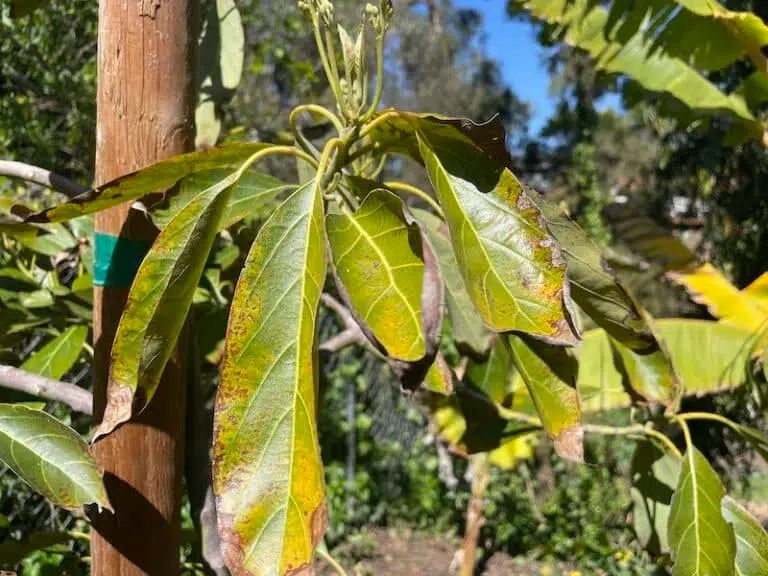
When an avocado tree begins to wilt, it is usually reacting to stress in its growing environment. This stress often affects the roots first and then shows up in the leaves.
Although wilting looks the same on the surface, the underlying causes can be very different. Understanding each major cause makes it easier to correct the problem before permanent damage occurs.
1. Overwatering and Poor Drainage
Overwatering is the most common cause of wilting in avocado trees. When the soil remains constantly wet, air is pushed out of the root zone. Without oxygen, the roots become weak and begin to suffocate.
As the roots weaken, they lose the ability to absorb water efficiently. This creates a strange condition in which the soil is wet but the plant still behaves as if it is thirsty. The leaves then begin to droop and wilt.
Poor drainage makes this problem much worse. Heavy clay soil or containers without drainage holes trap excess water around the roots. Over time, this leads directly to root rot and rapid wilting.
If overwatering continues, the tree may show yellowing leaves, soft stems, and eventual leaf drop. Once root rot becomes severe, recovery becomes very difficult without replanting in dry, well-draining soil.
2. Underwatering and Drought Stress
When an avocado tree does not receive enough water, the leaves quickly lose internal pressure. This pressure, called turgor, keeps leaves firm and upright. Once it drops, the leaves begin to droop and look limp.
Dry soil prevents the roots from pulling in enough moisture to meet the plant’s needs. As a survival response, the tree begins conserving water by limiting leaf function. Wilting is one of the first visible signs of this stress.
Extended periods of drought cause more than just wilting. Leaf edges may turn brown, and older leaves may fall off to reduce water loss. Growth slows down significantly during this time.
If drought stress continues unchecked, young avocado trees may fail. Even mature trees can suffer long-term damage that affects future flowering and fruit production.
3. Root Damage or Root Rot
Healthy roots are essential for an avocado tree’s ability to absorb water and nutrients. When roots are damaged, absorption slows or stops entirely. This immediately creates water stress inside the plant.
Root damage often happens during transplanting or from compacted soil that restricts root expansion. Physical breakage or crushing of roots interrupts the water supply to the leaves. Wilting soon follows.
Root rot develops when fungi attack weakened roots, usually in overly wet soil. As the rot spreads, more roots die and lose function. The tree then wilts even when watered correctly.
Signs often include persistent wilting, dark or mushy roots, slow growth, and yellowing leaves. Without quick correction, root rot can kill an avocado tree within a short time.
4. Heat Stress and Low Humidity
High temperatures cause avocado leaves to lose moisture rapidly through evaporation. If the roots cannot replace that lost water quickly enough, the leaves begin to wilt. This commonly occurs during heat waves.
Low humidity makes the problem worse. Dry air pulls moisture from leaves more quickly than humid air. Even well-watered plants can wilt under these conditions.
Young trees are susceptible to heat stress because their root systems are still shallow. They cannot access deeper soil moisture as effectively as mature trees.
Prolonged exposure to extreme heat can lead to scorched leaves, slowed growth, and flower drop. If the moisture balance is not restored, wilting becomes a daily cycle.
5. Nutrient Deficiencies and Poor Soil Health
Avocado trees rely on a steady supply of nutrients to regulate water movement within their tissues. When key nutrients are deficient, the internal water balance becomes unstable. This weakens the overall structure of the plant.
Nitrogen deficiencies slow growth and reduce leaf strength. Potassium deficiencies interfere with water regulation inside plant cells. Magnesium deficiencies reduce chlorophyll production and weaken leaf tissues.
Poor soil structure also contributes to wilting. Soil that is too compacted blocks root expansion and limits oxygen flow. This reduces both water and nutrient uptake at the same time.
Over time, these combined stresses lead to weak stems, drooping foliage, and slow recovery after watering. Even with proper irrigation, the tree may continue to wilt until soil health is corrected.
Now that you know the main reasons your avocado plant is wilting, it is time to learn practical steps to revive a wilted avocado plant.
13 Common Questions About Avocados
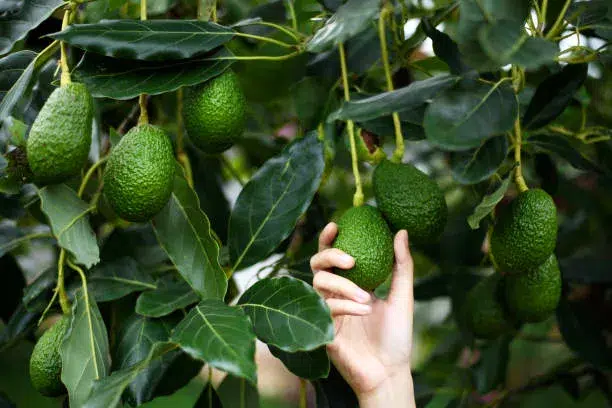
Now that you know why your avocado plant is wilting, let’s shift our attention to other important questions about it. Pay attention because you might find the answer to a question that has troubled you for months, perhaps years.
What does avocado taste like?
Avocado has a mild, creamy, and slightly nutty flavor with a smooth, buttery texture. It is not sweet like most fruits, which makes it versatile for both savory and lightly sweet dishes. The taste is subtle on its own but absorbs flavors from seasonings, spices, and sauces very well. This is why it works equally well in guacamole, salads, smoothies, and even desserts.
How many points are avocados on Weight Watchers?
On the Weight Watchers points system, avocado points depend on the plan and portion size, but half of a medium avocado typically ranges from 5 to 7 points. Because avocados are high in healthy fats and calories, they are not considered zero-point foods. However, they are still encouraged in moderation because of their nutritional value and ability to promote fullness.
Is avocado a fruit or vegetable?
Avocado is botanically classified as a fruit, specifically a large berry with a single seed. It develops from the flower of the avocado tree and contains the seed inside, which fits the scientific definition of a fruit. However, because of its savory flavor and culinary uses, many people mistakenly treat it as a vegetable in cooking.
How do I grow avocado tree from the pit?
To grow an avocado tree from a pit, remove and clean the seed, then insert three or four toothpicks into the sides and suspend it over a glass of water with the bottom half submerged. Place it in a warm area with indirect sunlight and change the water every few days. Roots and a sprout usually appear in 2–6 weeks. Once the stem reaches about 6 inches, trim it back, and later transplant it into soil when strong roots form.
Is avocado oil a seed oil?
Avocado oil is not a seed oil because it is extracted from the pulp of the avocado fruit, not the seed. This makes it different from common seed oils like soybean, corn, or sunflower oil. It is considered a fruit oil, similar to olive oil, and is prized for its high smoke point and healthy fat profile.
Does avocado have protein?
Yes, avocado does contain protein, although it is not a high-protein food. A medium avocado provides about 3 to 4 grams of protein. While this amount is modest compared to meat or legumes, it still contributes to daily protein intake along with healthy fats, fiber, vitamins, and minerals.
Is avocado oil good for you?
Avocado oil is very good for you when used in moderation. It is rich in heart-healthy monounsaturated fats, supports healthy cholesterol levels, and contains antioxidants like vitamin E. It also has a high smoke point, making it suitable for cooking at higher temperatures without breaking down into harmful compounds.
Is avocado oil better than olive oil?
Avocado oil and olive oil are both very healthy, but which is “better” depends on how you plan to use them. Avocado oil has a higher smoke point (around 520°F / 271°C) than olive oil (around 375–410°F / 190–210°C), which makes it better for high-heat cooking, frying, and sautéing.
Both oils are rich in heart-healthy monounsaturated fats and antioxidants, though olive oil—especially extra virgin—contains more polyphenols, which support heart health and reduce inflammation.
For cold dishes, dressings, or drizzling, olive oil may be preferred for flavor and nutritional benefits, while avocado oil is ideal for cooking at higher temperatures without breaking down. In short, both are excellent; avocado oil excels at heat, olive oil excels at flavor and raw use.
Can chickens eat avocado?
Chickens should not eat avocado because it contains persin, a toxin that can be dangerous or even fatal to birds. The highest concentration of persin is found in the skin, pit, and leaves, but even the flesh can be risky. For safety, it is best to completely avoid feeding avocado to chickens.
Can dogs eat avocado?
Dogs can eat small amounts of avocado flesh safely, but the pit, skin, and leaves are dangerous due to persin and choking risk. While most dogs tolerate the flesh in small portions, avocado is high in fat and can cause stomach upset or pancreatitis if overconsumed. Always remove the pit and skin completely before offering any to a dog.
How many calories in an avocado?
A medium avocado contains approximately 230 to 250 calories, depending on its size. Most of these calories come from healthy monounsaturated fats. While it is calorie-dense, it is also rich in fiber, potassium, and vitamins, making it a nutrient-dense food when eaten in moderation.
Are avocados good for you?
Yes, avocados are extremely good for you when eaten as part of a balanced diet. They support heart health, improve digestion due to their high fiber content, and help regulate cholesterol. Avocados also provide potassium, folate, vitamin K, vitamin E, and antioxidants that support overall health and reduce inflammation.
Where can I buy avocado?
You can buy avocados at most grocery stores, supermarkets, farmers’ markets, and produce shops. They are also available at wholesale retailers, health food stores, and online grocery delivery platforms. Avocados are usually stocked year-round, although availability and price may vary by season and location.