
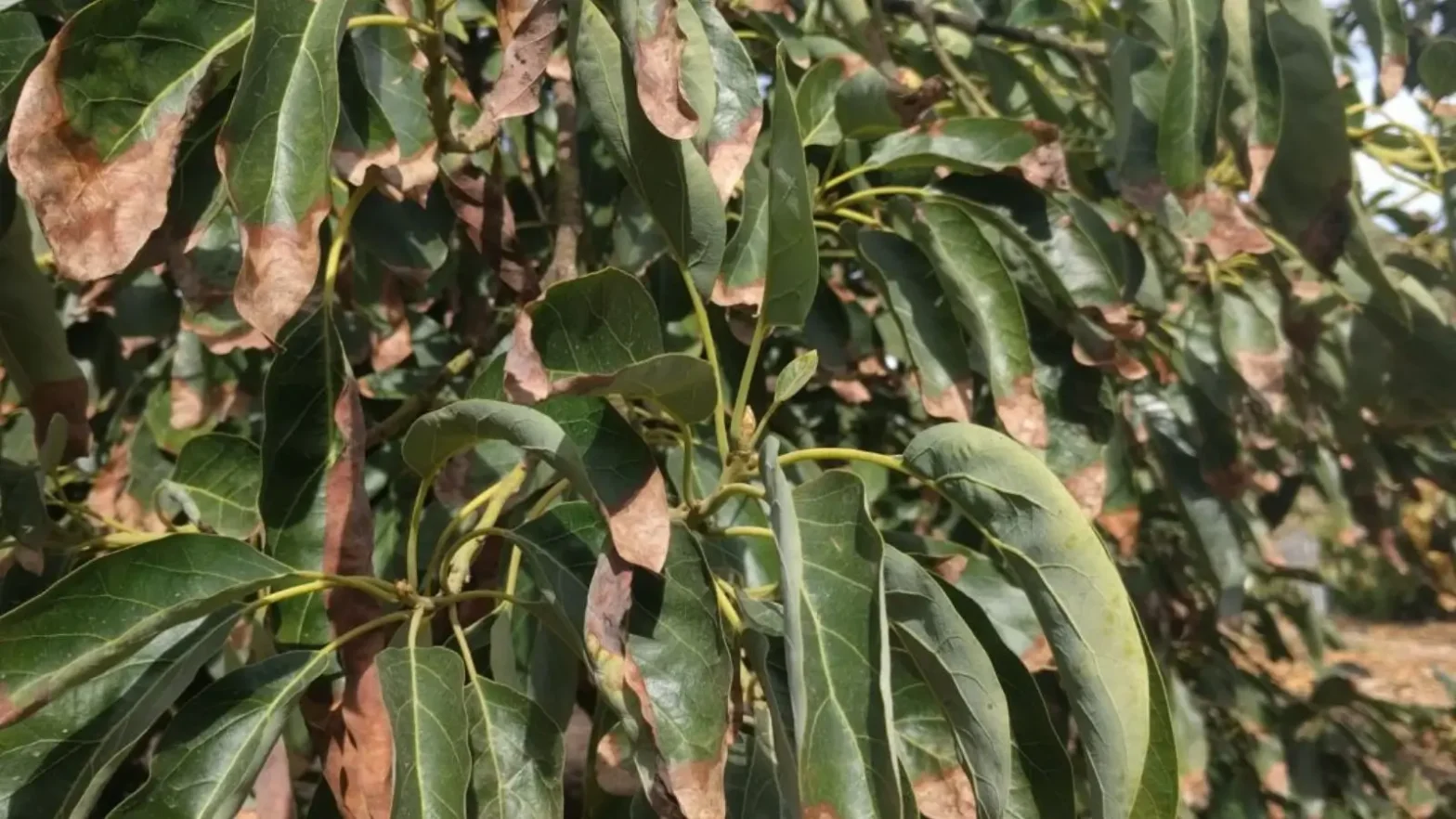
Although this blog is about how to revive a wilted avocado plant, it is important to know that wilting is a symptom, not a diagnosis. To achieve the fastest, most practical recovery, you’ll need an accurate diagnosis (overwatered vs underwatered vs root damage vs heat/pest).
Therefore, it is crucial to know the main reasons your avocado plant is wilting. Only then will you know the appropriate action you’ll take to revive it.
If you are quick, here is exactly how to revive a wilted avocado plant:
Reduce your watering frequency and improve drainage immediately to protect the roots from rot. Next, evaluate the plant’s nutrient levels—avocado trees thrive with a balanced fertilizer that supplies slightly higher nitrogen to support healthy foliage. Conduct a simple soil test to identify any deficiencies, then adjust your fertilization plan to supply the missing nutrients and restore the plant’s vigor.
In the following steps, I look at the possible reasons and what you can do to revive your wilting avocado plant.
A Step-by-Step Guide on How to Revive a Wilted Avocado Plant
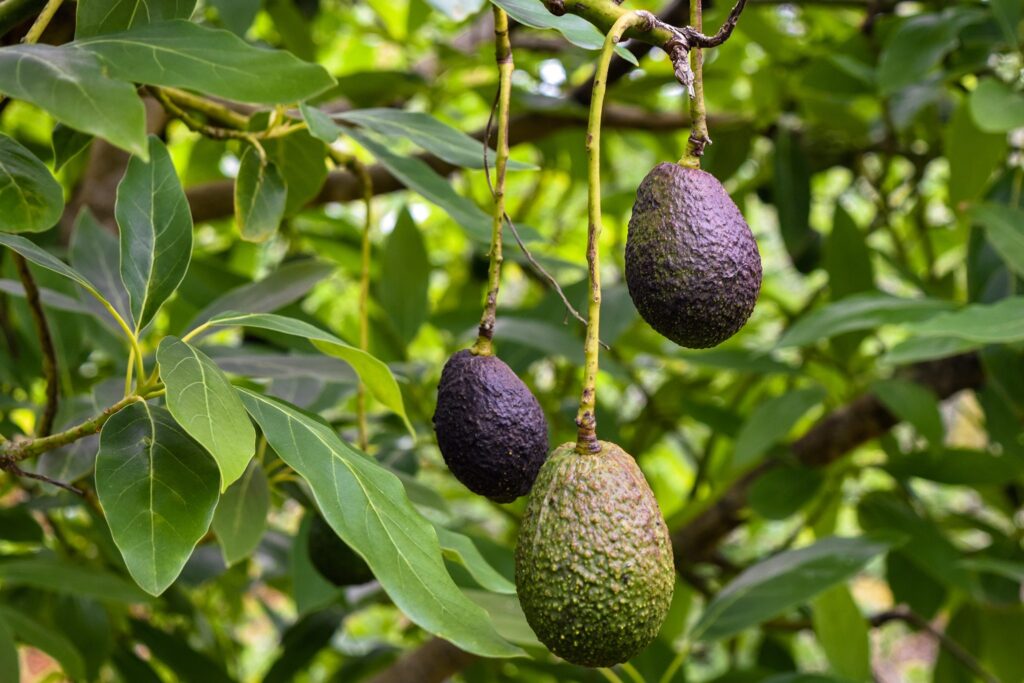
Now you are ready for the step-by-step guide on how to revive a wilted avocado plant. To start with, you need the following tools and materials:
Supplies you’ll need

- Gloves, DEWALT 20V MAX Pruning Shears (pictured above ⬆), small trowel
- Clean pot with drainage holes (if repotting), fresh well-draining potting mix (mix in perlite/sand)
- Bucket or tray, garden fork (for in-ground trees)
- Fungicidal drench or hydrogen peroxide solution (3% diluted), if root rot is suspected
- Stakes/ties (for support), mulch (organic)
- pH test strip (optional), balanced slow-release fertilizer, or a weak liquid fertilizer
- Spray bottle for misting (for humidity)
- Paper and pen to log watering and observations
Step 1 — stop and assess (5–20 minutes)
What to do: Don’t immediately water or repot. Examine the plant and soil first. Check leaf color, stem firmness, soil moisture (stick your finger 2–3 cm into the soil), and location (is it in direct sun/heat?).
Why: Different causes look similar. Overwatering and underwatering both cause wilting but need opposite fixes. Immediate watering without checking can make root rot worse.
How to read it:
- Soil soggy + soft stems + yellowing leaves → likely overwatering/root rot.
- Soil bone-dry + crispy brown leaf edges → likely underwatering/drought.
- Leaves wilting but soil slightly dry, and high temperature/low humidity → heat stress.
- Sudden wilting after transplant or pot bump → root damage/transplant shock.
Step 2 — emergency triage (same day)
What to do:
- If soil is bone-dry: give a deep, slow soak — water until it runs from the drainage hole; allow it to drain fully. Keep the plant in bright, indirect light and wait before watering again.
- If soil is waterlogged or smells sour: stop watering. Remove the pot from the saucer, tip away excess water, and gently lift the rootball to inspect roots (see Step 3).
- If heat/low humidity suspected: move the plant to a cooler, shaded spot and mist the leaves lightly or use a humidity tray.
Why: Immediate correction prevents further stress (drowning or dehydration) while you plan longer fixes.
Step 3 — inspect the roots (10–30 minutes)
What to do: Gently remove the plant from its pot (or dig around the root crown for in-ground). Check root color and texture.
What healthy vs bad looks like:
- Healthy roots: white/tan, firm, smell earthy.
- Rotting roots: dark brown/black, soft or mushy, foul smell.
If roots are healthy: return plant to pot, bury at the same depth, and proceed to Step 4.
If root rot is present: see Step 3A.
Step 3A — treat root rot (if found)
What to do:
- Trim away all rotten roots with clean shears until only firm tissue remains.
- Rinse remaining roots in clean water to remove leftover soil and fungus spores.
- Optionally soak roots briefly in a diluted hydrogen peroxide solution (1 part 3% H₂O₂ to 3 parts water) or use a labeled fungicide product per instructions.
- Repot into a fresh, sterile, well-draining mix in a pot with good drainage. Plant slightly higher if the crown had been sitting low. Do not fertilize for 4–6 weeks.
Why: Removing diseased tissue and giving fresh oxygenated soil stops the rot and helps surviving roots regrow.
Step 4 — repotting and soil improvement (same day if needed)
What to do: If your soil is heavy/clayey or the pot lacks drainage, repot into a mix with good drainage: 50% potting soil + 25% perlite + 25% coarse sand or pumice. Use a pot with drainage holes.
Why: Avocados need oxygen around the roots. Good drainage prevents waterlogging and fungal infections.
Tip: For in-ground trees with compacted soil, work organic matter and coarse sand into the root zone to improve drainage, or plant on a slight mound.
Step 5 — prune selectively to reduce demand (same day)
What to do: Remove the most damaged, wilted, or hanging leaves and any dead branches. Keep the pruning light — don’t remove more than 20–30% foliage at once.
Why: Fewer leaves reduce transpirational demand (water loss) and help the weakened root system keep up. It redirects energy into root recovery.
Step 6 — correct watering routine (this should be ongoing)
What to do:
- After any repotting or deep soaking, wait until the top 1–2 inches (2–5 cm) of soil feels dry before watering again for potted plants. For in-ground trees, water deeply but infrequently — a slow soak once every 7–14 days depending on climate and soil.
- Use the “soak and dry” method rather than frequent shallow watering. Improve drainage and remove saucers that trap water.
Why: Avocado roots like consistent moisture but not saturation. Overwatering kills roots; underwatering starves them.
Record: Note the date and amount of water you give so you can adjust based on recovery.
Step 7 — stabilize environment (days to weeks)
What to do:
- Move the plant to bright, indirect light (avoid harsh midday sun for stressed plants).
- Keep temperatures stable (ideal 60–85°F / 15–29°C). Avoid drafts or sudden temperature swings.
- Increase humidity if indoor and dry: humidity tray, room humidifier, or light misting (avoid wetting foliage excessively if fungal issues exist).
Why: Reducing environmental stress helps the plant allocate energy to root regrowth and leaf recovery.
Step 8 — light feeding when recovery begins (2–6 weeks after stabilization)
What to do: Don’t fertilize a damaged plant immediately. Instead, wait until you see new growth or at least firming of stems (usually 2–6 weeks). Then apply a weak balanced fertilizer (half-strength liquid or a slow-release formula) to support regrowth.
Why: Fresh fertilizer on a weakened root system can burn roots or encourage weak, sappy growth. Slow, gentle feeding supports recovery.
Step 9 — monitor, support, and treat pests/diseases (ongoing)
What to do:
- Check daily for signs of improvement (new leaf buds, less drooping) or decline (further yellowing, blackening roots).
- Look for pests (scale, mites) or fungal leaf spots; treat promptly with appropriate controls.
- Stake top-heavy plants to reduce mechanical stress on weakened trunks.
Why: Early detection of new problems prevents setbacks. Support helps the plant conserve energy.
Expected Timeline & Realistic Outcomes
Immediate improvement (24–72 hours): If wilting was purely from drought and you gave a deep, slow soak, leaves may perk up within a day or two.
Short-term recovery (2–6 weeks): Root repair, reduced wilting, and first signs of new leaves for many recoverable cases.
Full recovery (2–6 months): New growth, stronger root system, return to normal vigor — especially for young potted plants.
Irrecoverable cases: If >70% of roots were rotten or the trunk/major stems are dead, recovery is unlikely, and replanting may be best.
Troubleshooting: Common Situations & Fixes
Plant perks up after watering but wilts again within days: Likely root rot or poor drainage — inspect roots and repot.
Leaves stay wilted after deep watering, and roots smell bad: Root rot — trim and repot into fresh mix.
Wilting after repotting: Transplant shock — keep in bright shade, don’t fertilize, be patient.
New leaves are small or yellow: Nutrient deficiency or poor root function — test soil and feed lightly once recovery starts.
Wilting only on one side: Check for root girdling, localized soil compaction, or pest/breakage on that side.
Prevention checklist (once recovered)
- Plant in well-draining soil; avoid heavy clay or standing water.
- Use pots with drainage holes and avoid saucers that trap water.
- Water with the “soak and dry” method; check the top 1–2 in. before watering.
- Protect from extreme heat; provide afternoon shade in very hot climates.
- Mulch around the root zone (2–3 in), but keep mulch away from the trunk base.
- Fertilize moderately in spring and summer with balanced fertilizer; don’t overfeed.
- Inspect roots when repotting every 1–2 years for containers; refresh soil as needed.
Try as you may, there are times you will feel like giving up and start afresh. I know how that feels. But let’s face it.
When to give up and replant
If after thorough root inspection and trimming you find only a few viable roots left (roots are all soft/black), or the trunk is mushy/black at the base, it’s usually best to replace the plant. You can attempt to start a new tree from seed (pit) or buy a healthy nursery specimen.
Conclusion
Reviving a wilted avocado plant isn’t complicated—you just need to understand what the plant is trying to tell you. Most wilting problems come down to incorrect watering, poor soil drainage, root stress, or sudden environmental changes.
Once you identify the cause and follow the right corrective steps, your avocado can bounce back surprisingly fast. Keep monitoring its soil moisture, improve airflow, adjust lighting, and prune only when necessary.
With consistent care and timely intervention, your plant will regain its lush, upright leaves and return to healthy growth.
Start applying the steps in this guide today and revive your wilted avocado plant before the damage becomes permanent.