
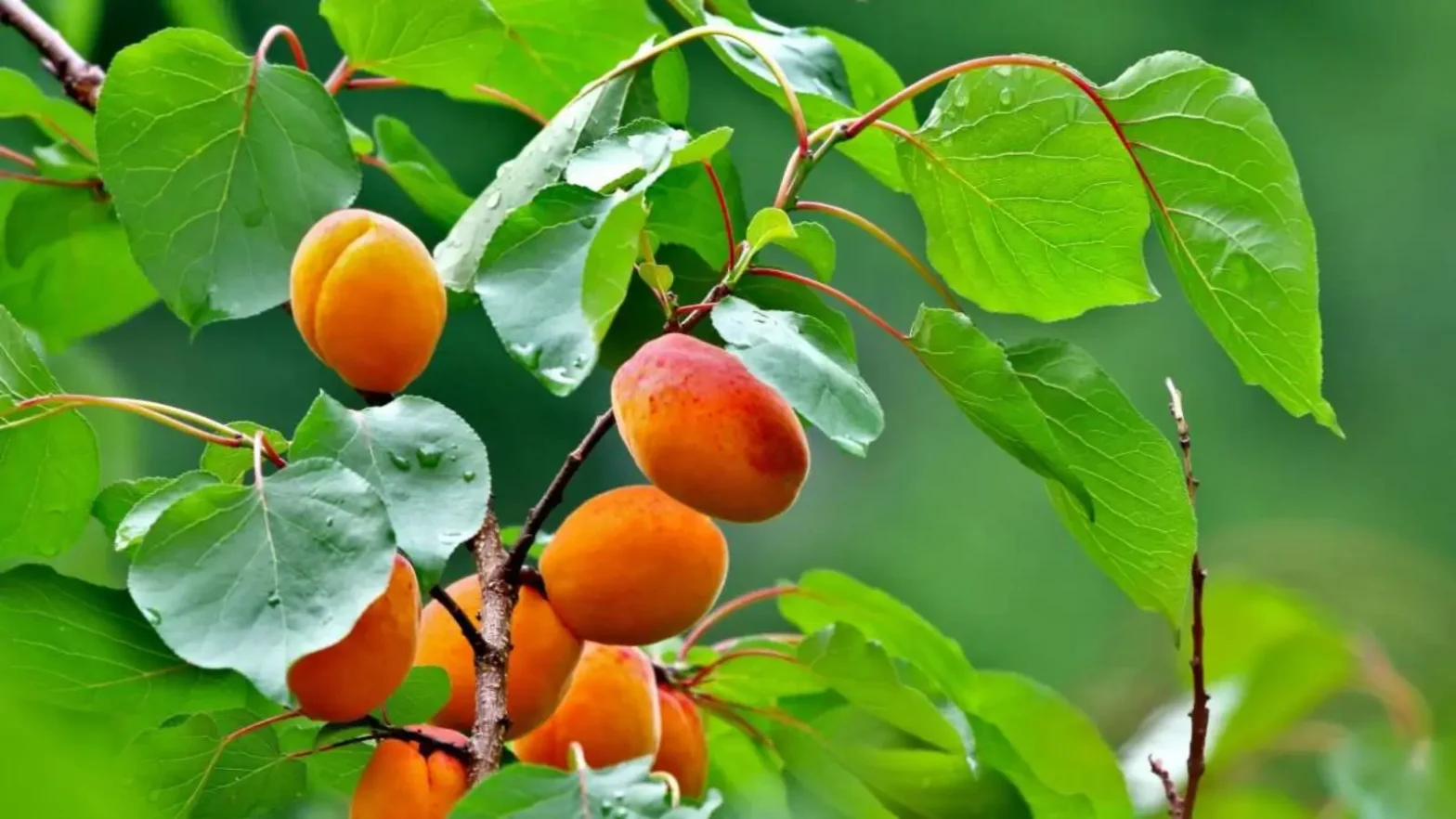
Apricot trees are beautiful and rewarding fruit trees that provide delicious fruit, stunning spring blossoms, and long-term enjoyment in your garden. Proper apricot tree care is essential for adding significant value to the property, an abundant harvest, and extending the tree’s lifespan.
This guide takes you step by step through all stages of apricot tree care, from planting to harvest and maintenance. Let’s start the apricot tree care immediately. But first, here is something some gardeners ask:
Is it Worth Growing Apricots?
Absolutely!
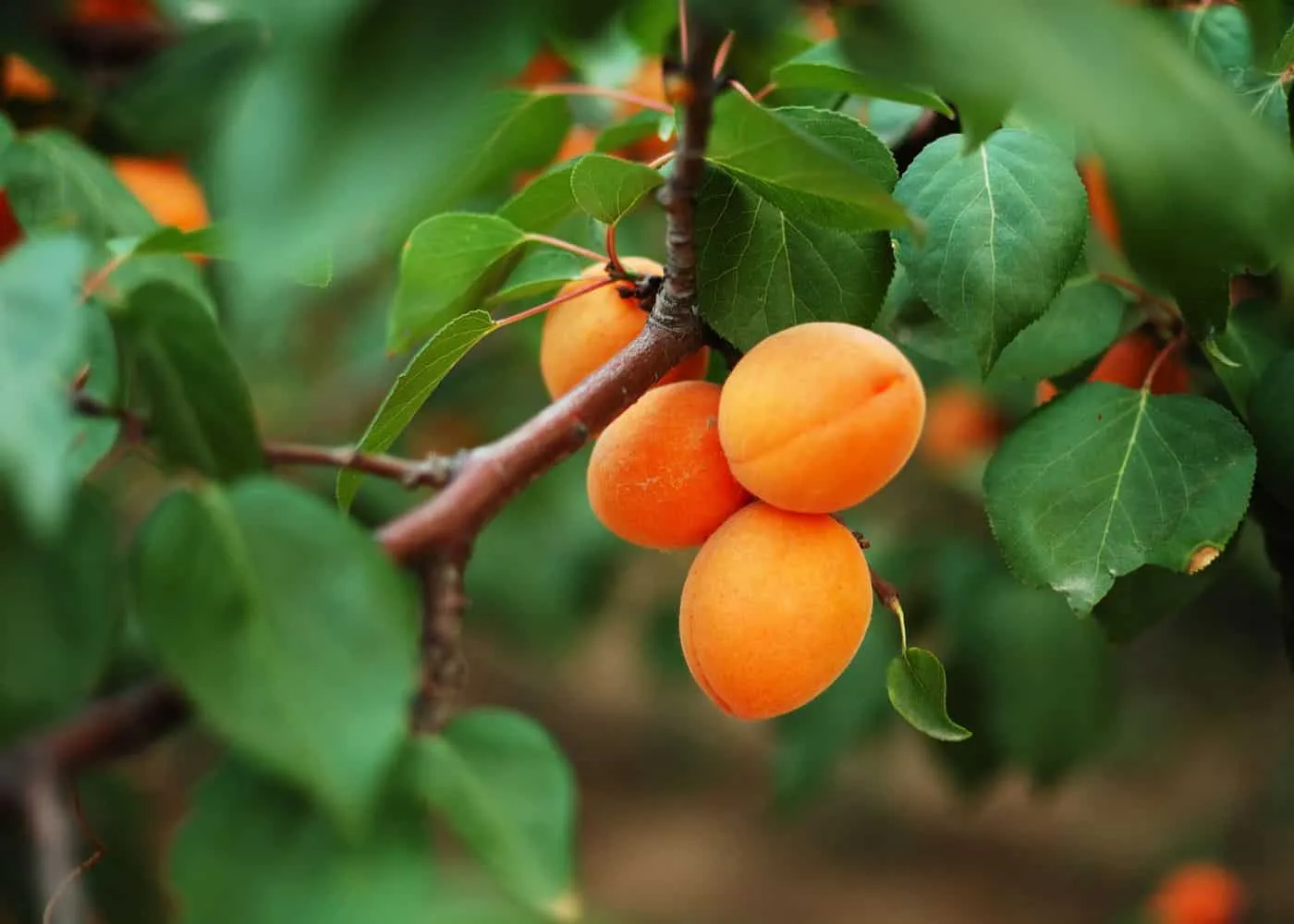
If anything, apricots are among the fruit trees every homeowner should grow in their collection. As mentioned earlier, they add value to your property. And here is the thing: any tree that takes 5-10 years or longer to mature is considered to add true value to property – and the apricot tree is one of them.
The second thing is that the apricots are among the sweetest and delicious fruits, whether eaten fresh or preserved. Although you will have to wait 3-4 years to eat the tree’s first fruits, with proper apricot tree care, you will enjoy quality and healthy fruits for many years. Still on fruits, I thought you should know that apricots are rich in vitamins A, B, and C, as well as potassium, essential nutrients for your family and pets.
Lastly, the apricot tree is highly adaptable. As long as you identify a spot in your yard with bright sunlight, you can grow your apricot tree in containers or in the ground. Once they bloom in spring, the tree produces beautiful blossoms and attractive foliage, enhancing its aesthetic appeal.
How to Grow and Care for the Apricot Tree
Now, let’s see how you can grow and care for the apricot tree, taking a step at a time.
1. Choose the Right Apricot Variety
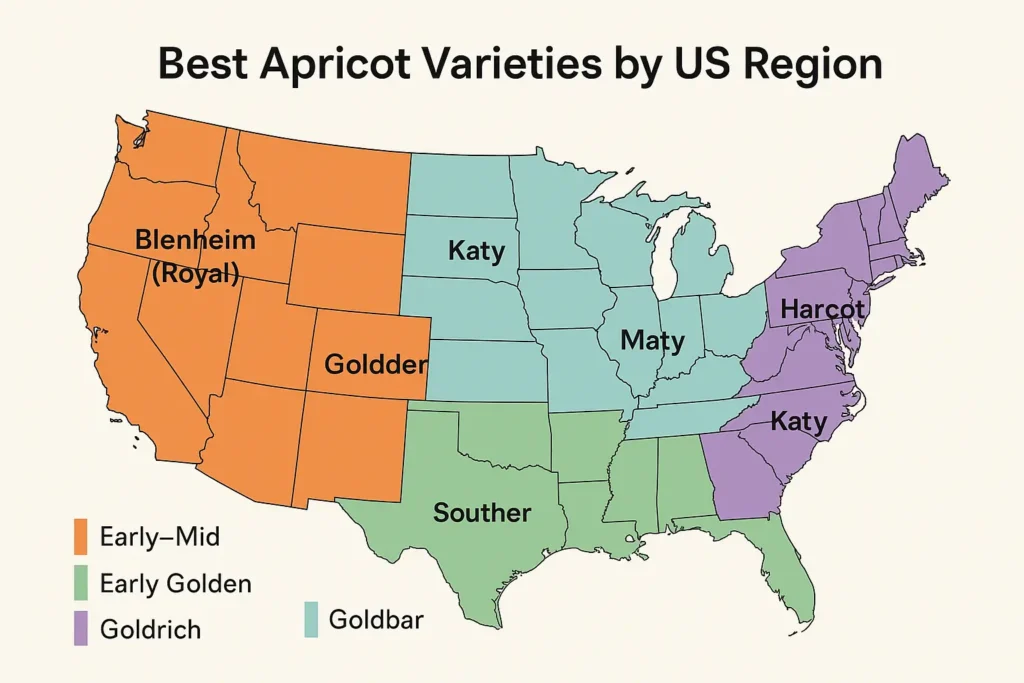
There are hundreds of apricot tree varieties, but in the US, about 15–20 are commonly grown depending on climate, chill hours, and intended use (fresh eating, canning, or drying).
Warm southern and West Coast states (USDA zones 8–10) do best with early- to mid-season varieties like Blenheim (Royal) and Early Golden, which need fewer chill hours and produce sweet, juicy fruit.
Cooler northern regions (zones 4–7) require cold-hardy, later-blooming varieties like Katy, Harcot, and Tilton, which tolerate frost and are suitable for canning or drying.
Most apricots are self-fertile, but planting two compatible varieties improves yields in areas with shorter growing seasons or limited pollinator activity.
Here is a chat that will help you choose the right apricot tree variety for your region:
US-Focused Apricot Variety Guide (20 Distinct Varieties)
| Variety | Ripening Season | Chill Hours | Best US Zones | Best US Regions | Best Use | Notes |
| Blenheim (Royal) | Early-Mid | 400–500 | 8–10 | West Coast | Fresh, drying | Sweet, aromatic, classic California variety |
| Early Golden | Early | 300–400 | 8–10 | South, West Coast | Fresh, canning | Fast-growing, thrives in warm climates |
| Goldcot | Early-Mid | 400–450 | 8–10 | West Coast | Fresh | Juicy, high-quality fruit |
| Moorpark | Mid | 500–600 | 9–10 | West Coast | Fresh, drying | Large fruit, needs warm summers |
| Katy | Mid-Late | 600–700 | 4–7, 8 | Midwest, Northeast | Fresh, canning | Cold-hardy, late-blooming |
| Harcot | Late | 700–800 | 4–7 | Midwest, Northeast | Fresh, canning | Firm, stores well, cold-hardy |
| Tilton | Mid | 500–600 | 4–7, 8 | Midwest, Northeast | Canning, drying | Reliable, self-fertile |
| Perfection | Late | 700–800 | 5–7 | Midwest, Northeast | Drying, fresh | Large, firm fruit |
| Sungold | Late | 700–900 | 4–6, 7–8 | Midwest, Northeast | Fresh | Sweet, adaptable, good flavor |
| Hargrand | Mid | 500–600 | 4–7 | Midwest, Northeast | Fresh, processing | Cold-hardy, disease-resistant |
| Tilford | Mid | 450–550 | 5–7 | Midwest, Northeast | Fresh, drying | Compact, good for home gardens |
| Goldbar | Early | 350–400 | 8–10 | South, West Coast | Fresh | Very early ripening, ideal for warm zones |
| Tomcot | Early-Mid | 400–500 | 8–10 | West Coast | Fresh, canning | Reliable, disease-resistant, good flavor |
| Chinese (Nanguo) | Mid | 400–500 | 8–10 | West Coast | Fresh, canning | Resistant to warm-weather diseases |
| Shalah | Mid | 500–600 | 5–8 | Midwest, South | Fresh, canning | Sweet and firm, versatile |
| Hargrand #2 | Mid | 500–600 | 4–7 | Midwest, Northeast | Fresh, processing | Cold-hardy, high yield |
| Goldrich | Mid-Early | 400–500 | 7–9 | South, West Coast | Fresh, drying | Juicy and flavorful |
| Harglow | Late | 600–700 | 4–6 | Midwest, Northeast | Fresh, canning | Cold-hardy, good storage |
| Tilford Red | Mid | 450–550 | 5–7 | Midwest, Northeast | Fresh, drying | Compact, colorful fruit |
| Royal Cot | Early-Mid | 400–500 | 8–10 | West Coast | Fresh, drying | Classic variety, sweet and aromatic |
Selecting the right apricot variety is the first step to success. Consider your climate, space, and harvest goals.
- Climate: Apricot trees thrive in temperate regions with cold winters and warm, dry summers. Late-blooming varieties reduce the risk of frost damage.
- Tree Size: Dwarf varieties are ideal for small gardens or container planting, while standard trees suit larger yards.
- Pollination: Most apricot trees are self-pollinating, but planting two varieties can improve fruit yield.
Choosing the right variety ensures your apricot tree grows strong and produces quality fruit.
2. Planting Your Apricot Tree
Proper planting is essential for root establishment and future growth.
- Location: Full sun exposure and well-draining soil are crucial. Avoid low-lying areas prone to frost pockets.
- Soil Preparation: Loosen the soil, add compost or organic matter, and ensure the planting hole is twice as wide as the root ball.
- Planting Steps: Place the tree at the same depth it grew in the nursery, backfill the soil, water thoroughly, and mulch to retain moisture.
Correct planting reduces transplant shock and sets the stage for a healthy tree.
3. Watering Apricot Trees
Watering is vital, especially for young trees.
- Young Trees: Water deeply once or twice a week, depending on rainfall.
- Established Trees: They need less frequent watering but benefit from deep soaking during dry spells.
- Tips: Avoid waterlogging, as apricots dislike soggy roots, which can lead to root rot. Mulching helps retain soil moisture.
Consistent, moderate watering supports healthy growth and fruit development.
4. Fertilizing for Growth and Fruit
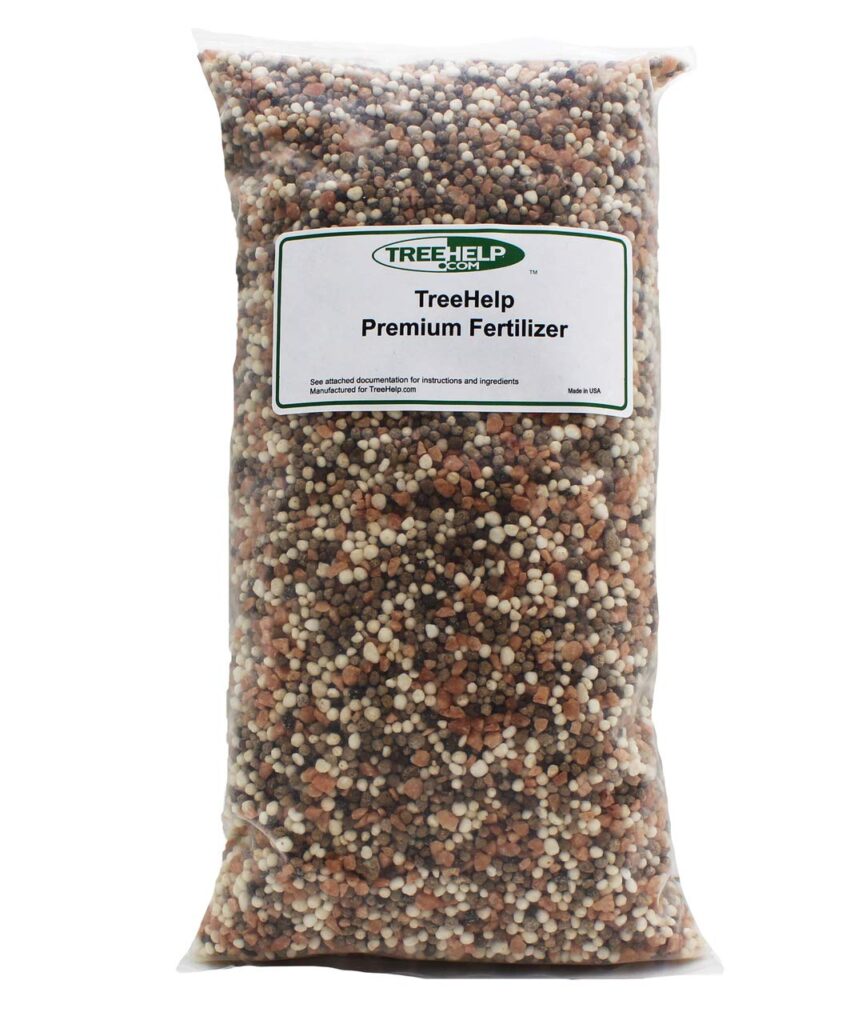
Apricot trees need proper nutrition for strong growth and fruiting.
- Young Trees: Apply a balanced fertilizer in early spring to encourage root and branch development.
- Mature Trees: Use a low-nitrogen, high-phosphorus, and potassium fertilizer to promote flowering and fruit quality.
- Frequency: Fertilize once in early spring and again after fruit set for optimal results.
Healthy nutrition helps trees resist disease and produce sweeter, larger fruit.
5. Pruning Apricot Trees
Pruning ensures proper shape, air circulation, and fruit production.
- When to Prune: Late winter or early spring before buds break. Avoid heavy pruning in the fall or when temperatures are freezing.
- How to Prune: Remove dead, diseased, or crossing branches. Shape the tree to allow sunlight to reach all parts.
- Maintenance: Light summer pruning can help control size and encourage new growth.
Pruning improves fruit quality, reduces disease risk, and keeps the tree manageable.
6. Pest and Disease Management
Apricot trees are susceptible to certain pests and diseases.
- Common Pests: Aphids, borers, and scale insects. Use organic or chemical controls as needed.
- Diseases: Brown rot, bacterial canker, and leaf curl. Prune infected branches, remove fallen debris, and apply preventive fungicides when necessary.
- Preventive Measures: Proper spacing, good air circulation, and regular monitoring reduce outbreaks.
Early detection and consistent care keep your apricot tree healthy and productive.
Must Read: How to Get Rid of Aphids Naturally: 9 Ingenious Ways
7. Flowering and Pollination
Apricot trees bloom in early spring, producing delicate, fragrant flowers.
- Pollination: Self-pollinating trees can produce fruit alone, but cross-pollination improves yields.
- Tips: Protect blossoms from late frosts with frost cloths or other temporary covers.
Healthy flowering ensures a successful fruit set for the upcoming harvest season.
8. Fruit Development and Thinning
After pollination, apricot fruits develop quickly.
- Thinning: Remove small or overcrowded fruits to allow the remaining fruit to grow larger and healthier.
- Support: Use gentle ties or supports for heavy branches to prevent breakage.
Proper fruit thinning improves fruit size, quality, and overall harvest consistency.
9. Harvesting Apricots
Timing is key for delicious, perfectly ripened apricots.
- Ripeness Indicators: Fruits should be soft to the touch, aromatic, and richly colored.
- Picking Method: Gently twist or lift the fruit to avoid damaging the branch.
- Post-Harvest: Store apricots in a cool, dry place or refrigerate for short-term use.
Harvesting at the right time ensures maximum sweetness and flavor.
10. Winter Care and Dormancy
Apricot trees need winter care to survive cold months.
- Dormancy: Trees naturally rest during winter. Reduce watering and avoid fertilizing.
- Frost Protection: Protect young trees from frost by covering or mulching around the base.
- Pruning: Late winter pruning prepares the tree for spring growth.
Winter care strengthens the tree for the next growth cycle and protects buds from frost damage.
Conclusion
Caring for an apricot tree involves attention to planting, watering, fertilizing, pruning, pest control, flowering, fruit thinning, harvesting, and winter care.
By following this stage-by-stage guide, gardeners can enjoy healthy, productive trees with abundant, delicious fruit year after year.
Proper care ensures your apricot tree thrives, enhances your garden’s beauty, and rewards you with sweet, sun-kissed apricots.